
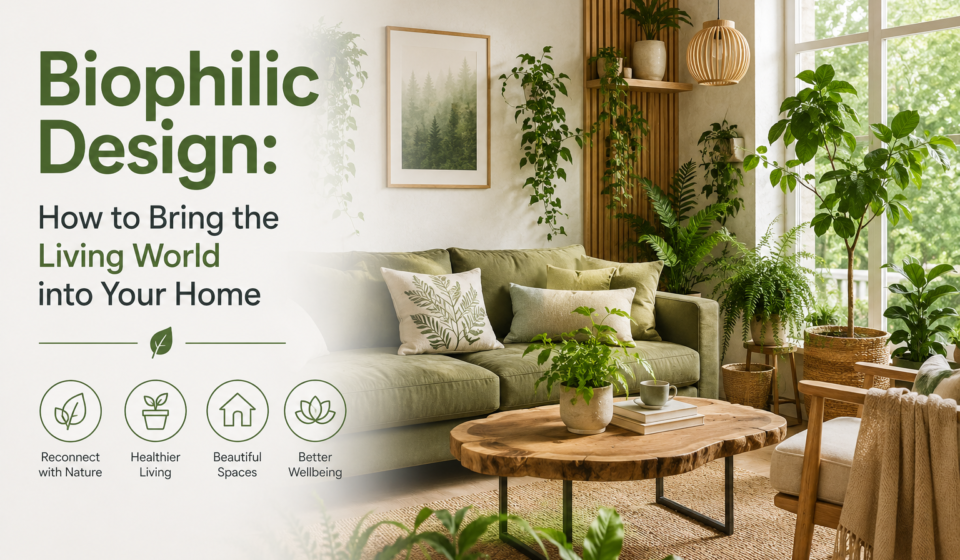

We are creatures of nature housed in structures of concrete and glass. Biophilic design — the practice of weaving natural elements, materials, and patterns into our interiors — is not a trend. It is a return to something our bodies have always known: we feel better when we are close to the living world.
📖 Also in This Series
Part 1: The Art of Home Décor — Style, Color, Layout & Texture →Part 2: Room Makeover on a Budget — Big Impact, Small Spend →Part 3: Seasonal Home Décor — Refresh Cycles All Year Round →Part 4: Small Space, Big Style — Compact Home Design →
1. What Is Biophilic Design — and Why Does It Matter?
The word “biophilic” comes from the Greek for “love of life.” Biophilic design is the intentional incorporation of nature — plants, natural light, water, organic materials, natural patterns, and views of the outdoors — into built environments. It is one of the fastest-growing movements in interior design, and the science behind it is compelling.
Research consistently shows that exposure to natural elements indoors reduces cortisol levels, lowers blood pressure, improves mood, sharpens focus, and even speeds physical recovery. A home that connects you to nature is not just more beautiful — it is demonstrably better for your health. This is the most meaningful extension of the style foundations covered in Part 1 of this series: not just how your home looks, but how it makes you feel at the deepest level.

A biophilic living room — abundant greenery, raw wood, natural light, and organic textures working in harmony.
The Four Pillars of Biophilic Design
Every biophilic home, whether a modest apartment or a sprawling villa, is built on four interconnected principles. Understanding them helps you apply the concept strategically rather than simply adding a few plants and calling it done.
🌿
Living Nature
Plants, moss, water features, and direct contact with growing things.
🪵
Natural Materials
Wood, stone, clay, linen, rattan — materials that carry the memory of the natural world.
☀️
Light & Space
Natural light, views of the sky, and spaces that breathe and shift through the day.
〰️
Nature’s Patterns
Organic shapes, fractal geometry, flowing curves — the visual language of the natural world.
2. The Plant Edit: Choosing the Right Greenery for Every Room
Plants are the most immediate and accessible entry point into biophilic design. But not every plant suits every room or every owner. The key is to match plant to environment — light levels, humidity, and how much care you can realistically provide. A thriving, healthy plant is beautiful; a neglected, dying one undermines the entire aesthetic.
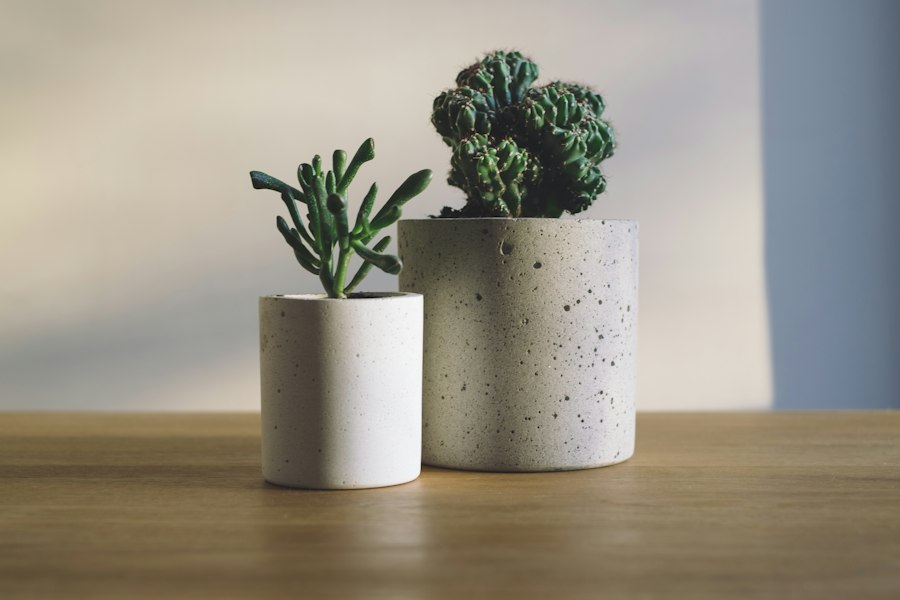
A curated plant shelf — varying heights, textures, and leaf shapes create a layered, lush composition.
The Best Plants by Room and Light Level
🌱
Pothos
Low → Bright indirect
Nearly unkillable. Trails beautifully from shelves. Perfect for beginners and dim rooms alike.
🌿
Monstera deliciosa
Bright indirect
The statement plant of our era. Large sculptural leaves make an architectural impact in living rooms.
🌳
Fiddle-leaf fig
Bright indirect
Dramatic and tall. Requires commitment but rewards with unmatched visual presence in a corner.
🪴
ZZ Plant
Low → Medium
Thrives on neglect. Glossy, sculptural leaves suit modern and minimalist interiors beautifully.
🌵
Snake plant
Low → Bright
Architectural and adaptable. One of the best air-purifying plants — ideal for bedrooms.
🌾
Peace lily
Low → Medium
Blooms in low light and thrives in bathroom humidity. Elegant white flowers add a soft note.
Styling Plants With Intention
A single plant placed without thought reads as an afterthought. A curated collection, styled with the same care as any other décor element, transforms a room. Apply the vignette principles from Part 3 of this series to your plant arrangements: vary height, leaf size, pot material, and placement. Mix floor plants, shelf plants, and hanging plants to create depth at multiple levels.
✦ Styling Tip
Group plants in odd numbers and keep pot materials consistent within a cluster — all terracotta, all white ceramic, or all woven rattan. Mixing too many pot styles fragments the composition. Reserve pattern or texture contrast for the plants themselves, not the vessels.
3. Natural Materials: Texture That Tells a Story
Biophilic design extends far beyond plants. The materials you choose for your floors, furniture, textiles, and accessories carry the sensory memory of the natural world — and that memory has a measurable calming effect. As explored in the texture and layering section of Part 1, mixing materials is what gives a room depth and soul. In biophilic design, that principle is taken to its fullest expression.
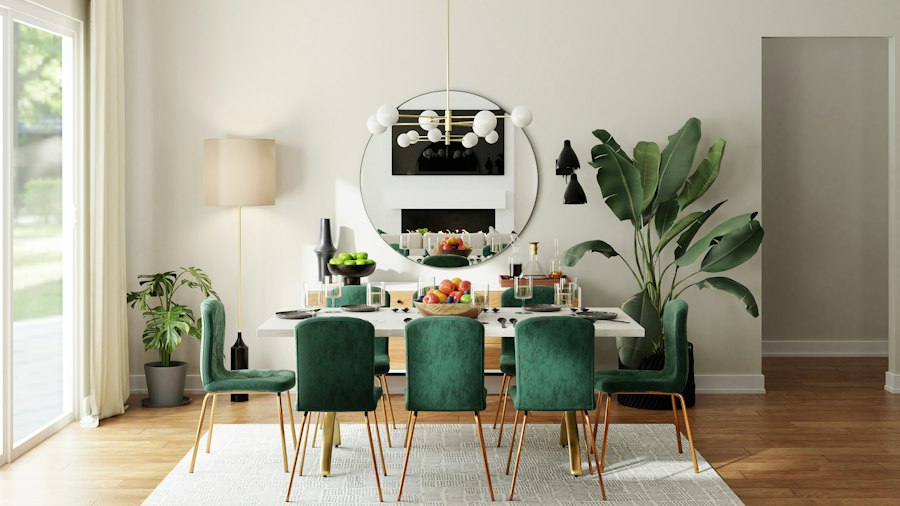
Wabi-sabi at its finest — raw wood, matte clay, rough linen, and unpolished stone layered into something quietly profound.
A Guide to Biophilic Materials
| Material | Where to Use It | What It Brings |
|---|---|---|
| Solid wood | Floors, furniture, shelving, frames | Warmth, grain pattern, organic variation — no two pieces the same |
| Natural stone | Countertops, feature walls, decorative objects | Weight, permanence, tactile richness, and the beauty of geological time |
| Rattan & cane | Furniture, light shades, baskets, mirrors | Lightness, woven texture, visual warmth without visual heaviness |
| Linen & cotton | Curtains, upholstery, bedding, cushions | Softness, breathability, and natural slub texture that photographs beautifully |
| Jute & seagrass | Rugs, placemats, wall hangings | Raw, earthy texture that grounds a room and adds organic warmth underfoot |
| Terracotta & clay | Pots, tiles, decorative objects, lamp bases | Earth tones, handmade quality, and the warm imperfection of the kiln |
| Cork | Flooring, wall tiles, trivets, pinboards | Sound absorption, tactile softness, and a sustainably harvested natural beauty |
“A home built from natural materials does not just look different from one built from synthetics — it feels different. The body knows the difference between wood and laminate, between linen and polyester, even when the eye cannot always tell.”
4. Light, Air & the Living Qualities of a Biophilic Home
True biophilic design is not only about what you put into a space — it is about how the space breathes, moves, and changes through the day and across the seasons. This is where biophilic principles connect deeply with the seasonal refresh approach of Part 3: a home that is alive to the natural world is one that responds to it constantly.

A living green wall — the pinnacle of biophilic interior design — transforms a blank surface into a breathing ecosystem.
Maximising Natural Light
Natural light is the most powerful biophilic element available to any home, and it costs nothing. Maximise it by keeping window sills clear, using sheer curtains rather than heavy drapes, placing mirrors to bounce daylight deeper into a room, and choosing light-reflective finishes on walls and floors near windows. Even trimming outdoor plants that block window light can transform the quality of a room.
Ventilation and the Scent of Nature
Opening windows — even briefly each morning — introduces fresh air, birdsong, and the ambient scent of the outdoors. These are powerful biophilic cues that reduce stress and improve alertness. Supplement with natural scents indoors: fresh-cut stems in a vase, cedarwood or eucalyptus candles, beeswax rather than paraffin, and dried botanicals on shelves. The nose is deeply wired to respond to nature’s chemistry.
Water Features and Soundscapes
The sound of moving water is one of the most universally calming stimuli known to science. A small tabletop fountain, an indoor water garden, or even a fish tank introduces this element without requiring structural changes. Similarly, playing ambient nature soundscapes — rain, forest, ocean — has been shown to lower heart rate and improve concentration, making them ideal for home offices and reading rooms.
- Clear window sills of clutter — every blocked window is lost natural light.
- Add at least one large plant to every primary room in the home.
- Replace synthetic textiles (polyester, acrylic) with linen, cotton, or wool wherever possible.
- Introduce one piece of solid wood furniture — a table, a shelf, a stool — into rooms that currently have none.
- Style with terracotta, ceramic, or stone objects rather than plastic or resin.
- Open windows for at least 10 minutes each morning to refresh air and connect to outdoor sound.
- Use beeswax or soy candles scented with essential oils rather than synthetic fragrances.
- Place a trailing plant on at least one high shelf to bring greenery to eye level and above.
- Introduce one natural sound element: a small water feature, wind chimes near an open window, or a dedicated nature soundscape in your workspace.
- Rotate fresh or dried botanicals seasonally — as outlined inPart 3’s seasonal vignette guide.
Design That Heals
A biophilic home is more than a beautifully decorated space — it is an environment that actively supports the people who live in it. By bringing in living plants, natural materials, organic light, and the sensory cues of the outdoors, you create a home that does not just look good but genuinely nourishes the body and calms the mind.
This is the final and perhaps most meaningful layer of everything this series has explored: the foundations of style and colour, the creativity of budget transformation, the rhythm of seasonal refresh, the intelligence of small-space design — and now, a home that is genuinely alive. Begin with one plant, one linen cushion, one morning window opened wide. The rest grows from there.
✦ Home Décor Article Series
1The Art of Home Décor: Transform Any Space Into a Sanctuary
2Room Makeover on a Budget: Big Impact, Small Spend
3Seasonal Home Décor: How to Refresh Your Space All Year Round
4Small Space, Big Style: The Complete Guide to Decorating Compact Homes
· Written for informational purposes.