
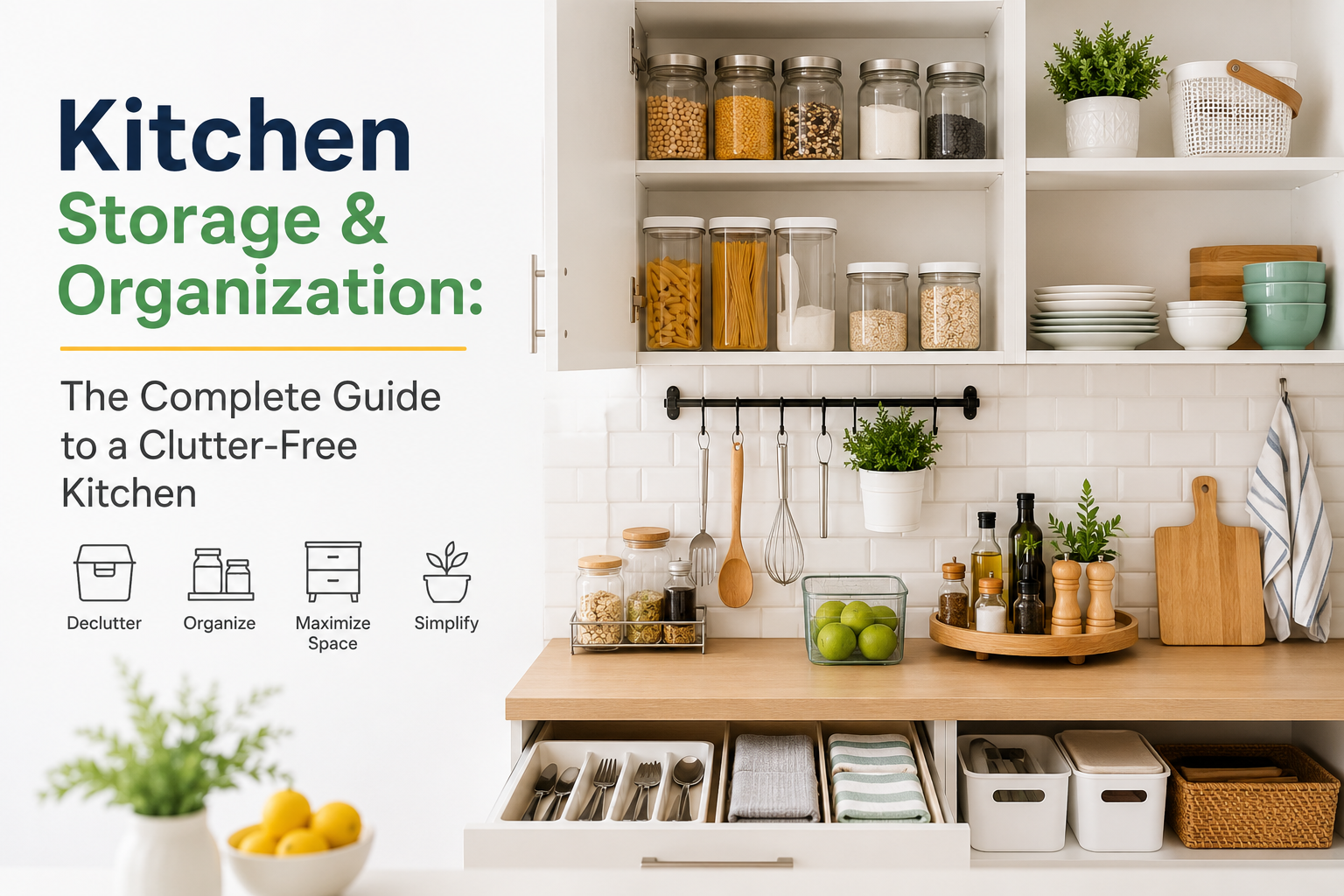

Kitchen Storage & Organization: The Complete Guide to a Clutter-Free Kitchen
Kitchen Design & IdeasA beautifully organized kitchen isn’t just easier to cook in — it changes how you feel every time you walk in. Here’s your complete playbook for smart storage from countertop to pantry.
Home Décor · 9 min read
There’s a reason the kitchen is called the heart of the home. It’s where meals are made, conversations happen, and daily routines play out — sometimes all at once. But when your kitchen is disorganized, everything feels harder. You can’t find what you need. Counter space disappears under clutter. Cooking becomes a chore instead of a pleasure.
The good news? Kitchen organization isn’t about buying a set of matching containers and calling it a day. It’s about understanding how you use your kitchen, then designing a storage system that works with your habits, not against them. Whether you’re working with a compact galley kitchen or a sprawling open-plan layout, the principles are the same — and the transformation is always worth the effort.
This guide covers every zone of the kitchen: cabinets, drawers, countertops, pantries, walls, and the often-overlooked dead zones that waste space. By the end, you’ll have a clear framework for a kitchen that is not only functional but genuinely enjoyable to be in.
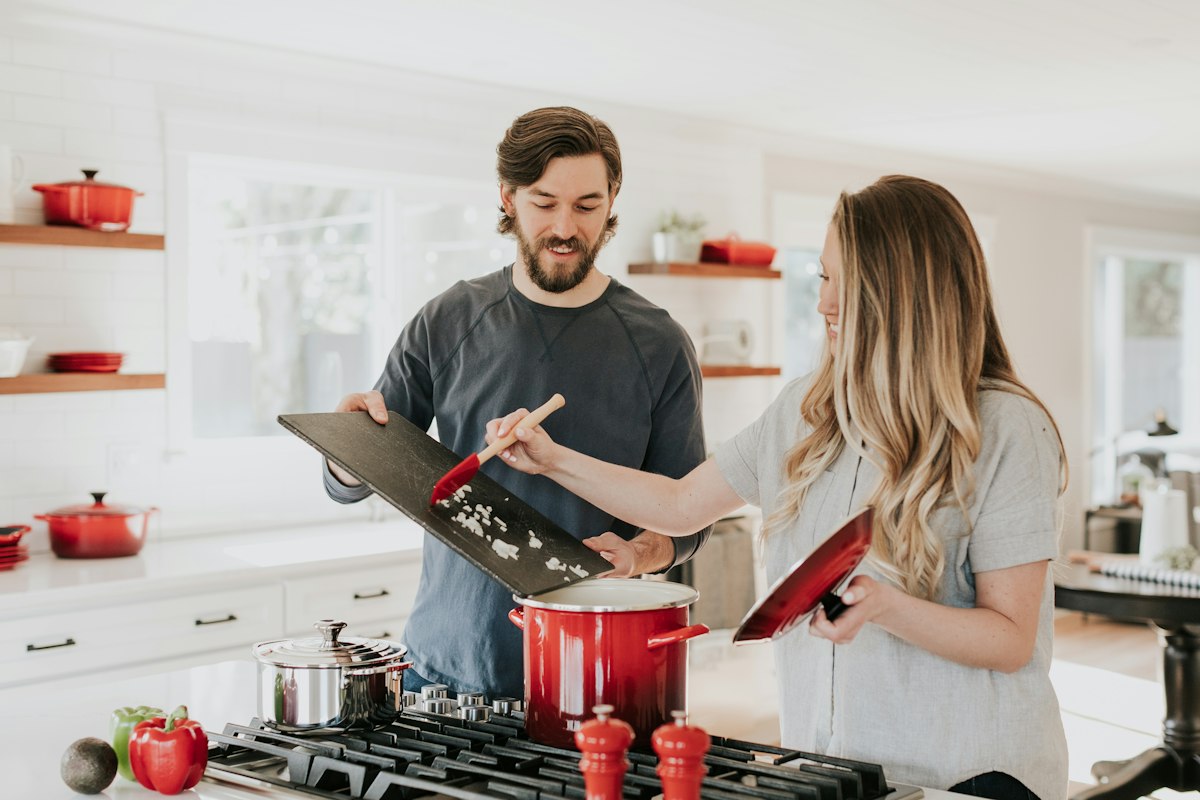
Start With a System, Not a Shopping Cart
The most common kitchen organization mistake is buying storage products before you’ve figured out your system. Baskets, bins, drawer dividers, lazy Susans — they’re only useful if they solve a specific problem you’ve actually identified. Before you spend a cent, do a full kitchen audit.
Pull everything out of your cabinets and drawers. Group items by category: baking tools, everyday cookware, spices, small appliances, serving pieces, cleaning supplies. Then ask yourself three questions about each group: How often do I use this? Where do I use it? How much space does it actually need?
The answers will reveal your storage priorities. Items used daily should be within arm’s reach of where you use them. Items used weekly can live a little deeper in a cabinet. Items used seasonally — the holiday roasting pan, the fondue set — belong in the highest, hardest-to-reach spots or even outside the kitchen entirely.
“Organization isn’t about perfection. It’s about reducing the number of decisions you have to make while cooking — so your energy goes into the food, not the search.”
🔲
Related ReadKitchen Niches: The Ultimate Guide to Style, Storage & Smart Design →
Cabinet Storage: Making Every Inch Count
Cabinets are the workhorses of kitchen storage, yet most kitchens use them inefficiently. The average cabinet has one fixed shelf, which means the space above shorter items — spice jars, canned goods, glasses — is completely wasted. The fix is simple: add more shelves.
Upper Cabinets
Upper cabinets work best for items you use regularly but don’t need on the counter: everyday dishes, glasses, mugs, and dry goods. Stack plates vertically using plate risers to double capacity. Use stackable shelf inserts to create a second level for shorter items. Store glasses upside-down to keep them dust-free and prevent rim chips.
The inside of cabinet doors is often completely ignored — and it’s prime real estate. Mount a door-mounted rack for spices, wraps, or cutting boards. Add a small magnetic strip for measuring spoons. Even a single row of hooks on the inside of a door can hold a surprising number of items.
Lower Cabinets
Lower cabinets are where organization tends to break down fastest, especially for pots, pans, and lids. Pull-out drawer inserts — either DIY or professionally installed — are the single best upgrade you can make to a lower cabinet. They eliminate the “dig to the back” problem entirely. For lids, a vertical lid organizer (essentially a rack that stores lids upright like files) reclaims enormous amounts of wasted space.
Deep corner cabinets are notoriously difficult to organize. A lazy Susan or a pull-out kidney-shaped shelf system makes every inch of a corner cabinet accessible. If a full renovation isn’t on the cards, even a simple turntable on a fixed shelf dramatically improves access.

Drawer Organization: The Detail That Changes Everything
Drawers are where kitchen organization either wins or falls apart. A well-organized drawer is a small daily joy. A junk drawer — or worse, a utensil drawer where everything tangles together — is a daily frustration. The solution is drawer dividers, and they’re one of the highest-return investments in kitchen organization.
The top drawer near the stove should hold only your most-used cooking tools: a spatula, a wooden spoon, tongs, a whisk. Resist the urge to stuff it. The second drawer can hold less-frequently used utensils, a can opener, a peeler, measuring cups. The third is where baking tools, timers, and specialty gadgets can live.
For cutlery, a divided bamboo or acrylic tray keeps forks, knives, and spoons separated and instantly accessible. Consider a two-tiered drawer insert if you’re short on drawer space — the top tier slides out to reveal a second storage level beneath, effectively doubling the drawer’s capacity without any construction work.
✦ Drawer Organization Quick Wins
- Use expandable drawer dividers to fit any drawer width without cutting or gluing.
- Store knives in a drawer knife block — safer than a countertop block and saves counter space.
- Dedicate one shallow drawer entirely to spices, laid flat with labels facing up for instant visibility.
- Line drawers with non-slip liner to stop dividers and items from shifting.
- Purge duplicates ruthlessly — most kitchens have 3x more utensils than they ever use.
The Countertop Rule: Earn Your Place
Counter space is your most valuable kitchen real estate. Every item that lives permanently on the counter should earn that spot by being used at least once a day. If you haven’t used the air fryer in two weeks, it doesn’t belong on the counter — it belongs in a cabinet, a pantry shelf, or an appliance garage.
The “countertop audit” is simple: remove everything. Clean the surface. Then only put back what you use daily. Most people discover they only truly need three to five items on the counter: a coffee maker, a toaster, a knife block (or magnetic strip), and perhaps an oil and salt station near the stove.
Speaking of the stove area — this is exactly where a kitchen niche becomes a game-changer. Instead of keeping oils, salts, and spices in a cluster on the counter beside the range, a recessed niche built directly above the stove stores all of these items vertically, in the wall, completely off the counter. It’s the most elegant countertop decluttering solution available in a kitchen renovation.
✦
Go DeeperHow to Design a Kitchen Niche That Clears Your Counter & Elevates Your Space →
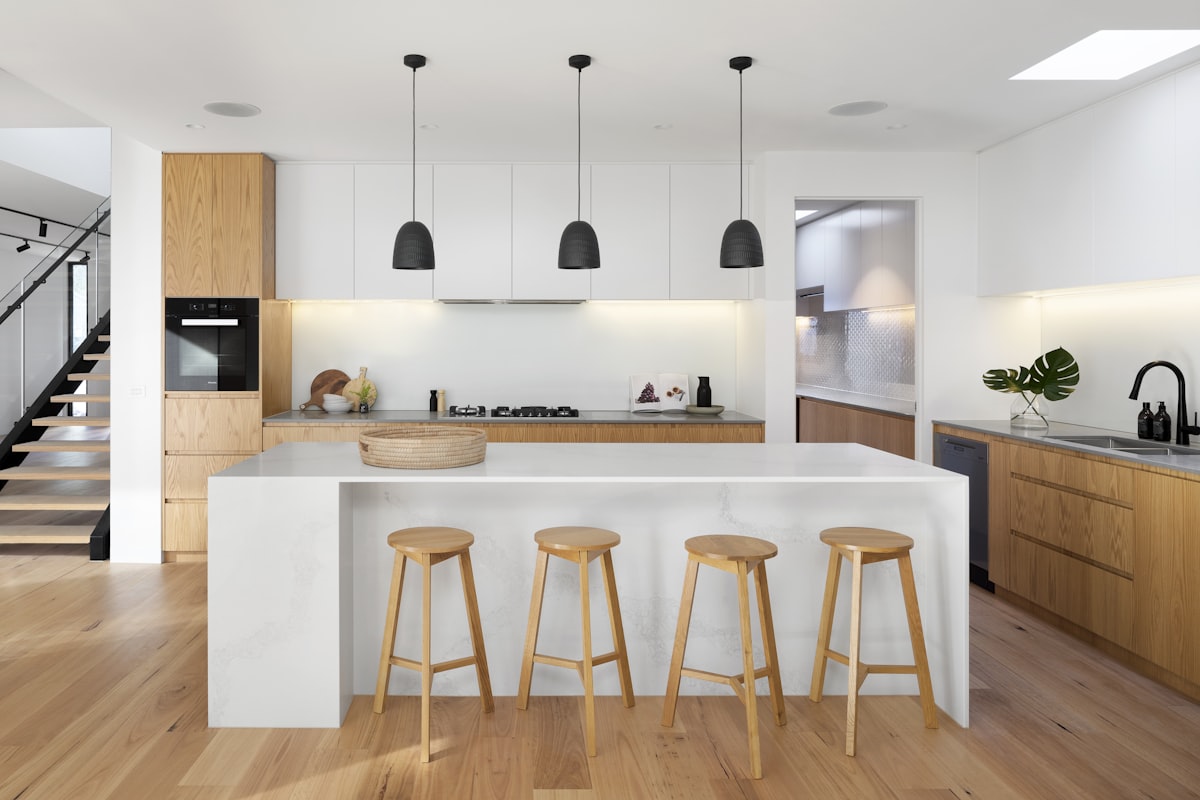
Pantry Organization: The Foundation of a Functional Kitchen
Whether you have a walk-in pantry, a single pantry cabinet, or a few dedicated shelves, the same principles apply. A well-organized pantry saves money (you stop buying duplicates of things you already own), reduces food waste (you can actually see what’s about to expire), and makes meal planning dramatically easier.
The Zone System
Organize your pantry by zone, not by product type. Place everyday items at eye level — the grains, pasta, canned goods, and snacks you reach for most often. Baking supplies (flour, sugar, baking powder, chocolate chips) belong together in one zone, ideally in airtight containers with labels. Breakfast items — cereals, oats, nut butters — get their own zone. Snacks (especially if you have kids) work well in a lower, accessible zone. Heavy items like canned goods live on the lowest shelf.
Containers: Worth the Investment
Decanting dry goods into matching airtight containers is one of the most transformative pantry moves you can make. It looks beautiful, keeps food fresh longer, and makes it instantly clear when something is running low. You don’t need the most expensive set — even budget-friendly OXO or IKEA containers work well. The key is consistency: use the same container family throughout so shelves look cohesive rather than chaotic.
Label everything, including the expiry date on pantry staples. A label maker takes about 20 minutes to set up and saves hours of confusion over the course of a year. For a softer look, use handwritten labels on kraft paper or chalkboard tags.
First In, First Out
Adopt the grocery store approach: when you restock, put new items at the back and pull older items to the front. This simple habit virtually eliminates pantry food waste. It takes ten extra seconds when unpacking groceries and saves you from discovering a six-month-old jar of pasta sauce behind everything else.
✦ ✦ ✦
Wall Storage: The Most Underused Space in Any Kitchen
Walls are free real estate. In a kitchen where cabinet and counter space is limited, vertical wall storage can be transformative. And when done with care, it’s not just functional — it’s one of the most characterful design moves you can make.
A magnetic knife strip mounted on the wall near the prep area takes knives completely off the counter and out of a drawer, keeps blades sharper longer (no contact with other metal), and looks clean and professional. A pegboard wall panel — painted to match the kitchen or left raw — is infinitely customizable and can hold pots, pans, utensils, small baskets, spice jars, and more, all on a single wall surface.
Open shelving is the most popular wall storage choice in contemporary kitchens, and for good reason: it makes everything visible and accessible, it adds warmth when styled well, and it forces you to curate what you keep (because everything is on display). The trade-off is that open shelves require more maintenance — dust accumulates, and a bad week of clutter is immediately visible. If you love the look but worry about upkeep, restrict open shelves to one wall only and keep everything else behind closed doors.
And then there are wall niches — recessed alcoves built directly into the wall for a seamless, built-in look that no floating shelf can match. A spice niche beside the stove, a cookbook alcove in the dining area, or a display niche on the kitchen’s feature wall adds architectural depth and built-in storage without protruding into the room at all.
🔲
Don’t MissKitchen Niches: Types, Materials, Lighting & Placement — Everything You Need to Know →

Small Kitchen? Think Vertical and Multi-Purpose
Small kitchens require a different mindset: every item should serve more than one purpose, and every inch of vertical space should be considered. The ceiling is not the limit — it’s an opportunity. Pot racks hung from ceiling joists or a sturdy wall bracket keep bulky cookware off shelves entirely and turn it into a visual feature. Stack items wherever possible: nested bowls, stacked sheet pans in a vertical file, nesting measuring cups.
In a small kitchen, the area above the refrigerator — universally wasted — can hold a flat storage basket for seasonal items, a wine rack, or a row of cookbooks. The space between the top of upper cabinets and the ceiling can be fitted with a simple shelf for less-used items stored in attractive baskets or boxes.
Islands and kitchen carts add both counter space and storage in a small kitchen without requiring any construction. Choose one with shelves, drawers, or both. If the kitchen is truly tiny, a fold-down wall table gives you prep space only when you need it, folding flat against the wall when you don’t.
Maintaining the System: The Often-Forgotten Step
The best-organized kitchen in the world will devolve into chaos within a few months if there’s no system for maintaining it. The key is building small habits that keep entropy at bay without requiring major weekly overhauls.
The ten-minute reset. Once a week — Sunday evenings work well — spend ten minutes returning everything to its place, wiping down surfaces, and checking the pantry for anything that needs restocking or tossing. This habit alone prevents the slow creep of counter clutter and cabinet chaos that accumulates over time.
One in, one out. Every time a new kitchen item enters the house — a gadget, a appliance, a set of dishes — something else leaves. This prevents the gradual accumulation of items that clutters storage and makes everything harder to find.
Seasonal reviews. Twice a year, do a deeper audit. Pull out the pantry, check for expired goods, reassess whether your storage system is still working for your current cooking habits. Life changes — diets shift, family size changes, cooking interests evolve — and your kitchen organization should evolve with it.
Where to Invest vs. Where to Save
Not all kitchen organization upgrades are created equal. Some offer extraordinary return on investment; others are aesthetic purchases that don’t significantly improve function. Here’s how to prioritize your budget.
Worth investing in: pull-out drawer systems for lower cabinets (life-changing), a quality drawer divider set (daily use), airtight pantry containers (food savings offset the cost), and any permanent built-in storage like a niche or custom shelving (adds home value). These are the upgrades that pay back their cost in daily convenience and long-term food savings.
Save here: decorative baskets (beautiful ones from IKEA cost a fraction of boutique versions), shelf risers (cheap and effective), label makers (a basic one works as well as an expensive one), and door-mounted racks (widely available at low cost). The functional difference between a $15 basket and a $60 one is zero.
Final Thoughts
A well-organized kitchen isn’t a luxury — it’s a daily quality-of-life upgrade. When your kitchen works the way you need it to, cooking becomes faster, more enjoyable, and less stressful. Meals get made. Things get found. The space itself feels calmer and more inviting.
The best kitchen storage system is the one you’ll actually maintain. Start with one zone — a single drawer, one cabinet, the pantry — and build from there. Small wins compound into a kitchen that genuinely supports the way you live.
And if you’re planning a renovation or considering a deeper design upgrade, don’t overlook the power of built-in solutions. A thoughtfully placed kitchen niche — whether above the stove for spices, beside the sink for cleaning supplies, or on a feature wall for display — combines storage and design in a way no standalone organizer ever can.
✦ You Might Also Like
🔲 Kitchen DesignKitchen Niches: The Ultimate Guide to Style, Storage & Smart Design
Found this useful? Share it with someone planning a kitchen makeover.