
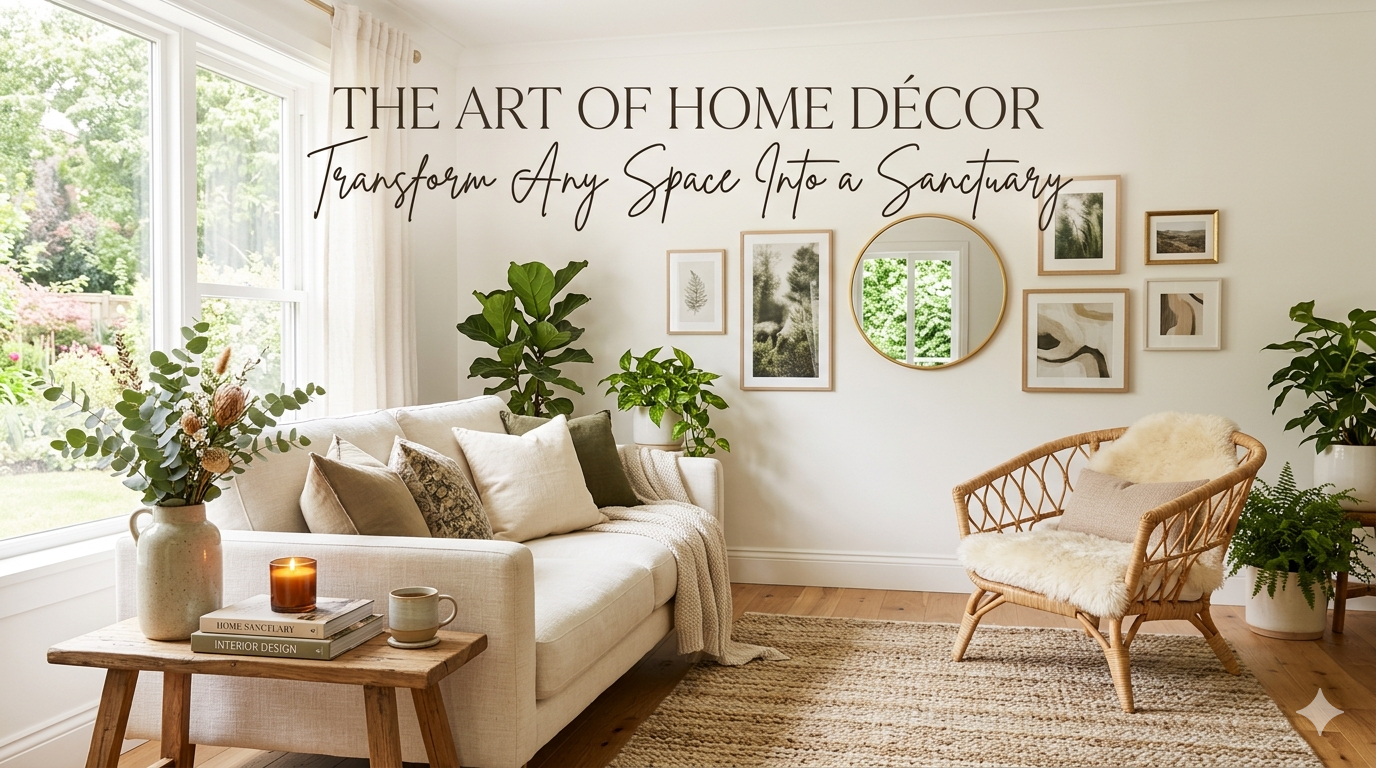

Your home is more than four walls — it is a living reflection of who you are. Whether you live in a sprawling villa or a compact apartment, thoughtful décor has the power to shift how a space feels, functions, and inspires.
1. Start With a Vision: Define Your Style
Before purchasing a single throw pillow, the most powerful step you can take is to define a clear aesthetic vision for your space. Interior design styles are not rigid rules — they are starting points. The most beautiful homes blend elements from multiple styles to create something uniquely personal.
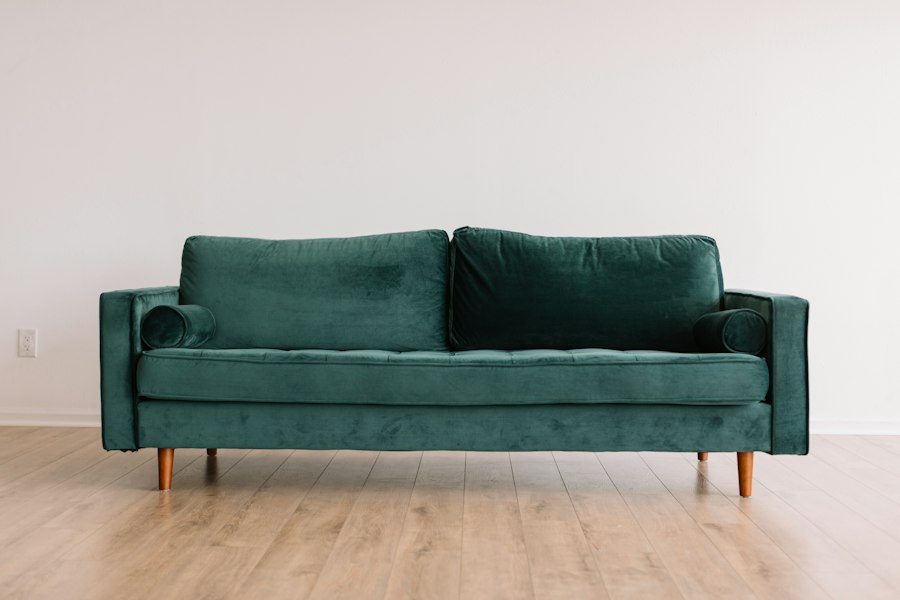
A cohesive neutral palette anchors this light-filled modern living room.
Popular styles include:
- Modern Minimalism — Clean lines, neutral palettes, and a “less is more” philosophy that lets each piece breathe.
- Bohemian — Layered textiles, eclectic patterns, warm earth tones, and an abundance of plants and handcrafted objects.
- Scandinavian — Functional simplicity, natural wood tones, cozy textures, and an emphasis on natural light.
- Industrial — Exposed brick, raw metal, dark woods, and an urban loft sensibility.
- Coastal — Soft blues, sandy neutrals, linen fabrics, and a relaxed, breezy atmosphere.
✦ Designer Tip
Save inspiration images to a mood board (try Pinterest or a simple folder) before shopping. Look for recurring colors, textures, and shapes — those patterns reveal your true aesthetic instinct.
2. The Power of Color: Setting the Mood
Color is the single most impactful tool in a decorator’s arsenal. It affects perceived room size, emotional tone, and even energy levels. Understanding basic color psychology helps you make intentional choices rather than reactive ones.
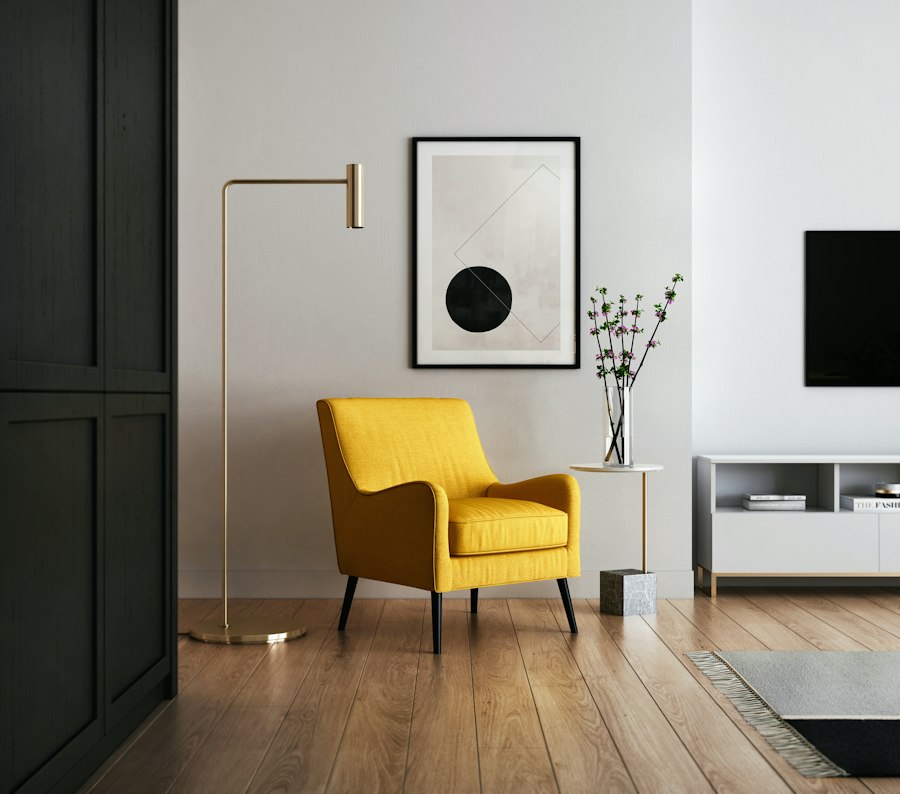
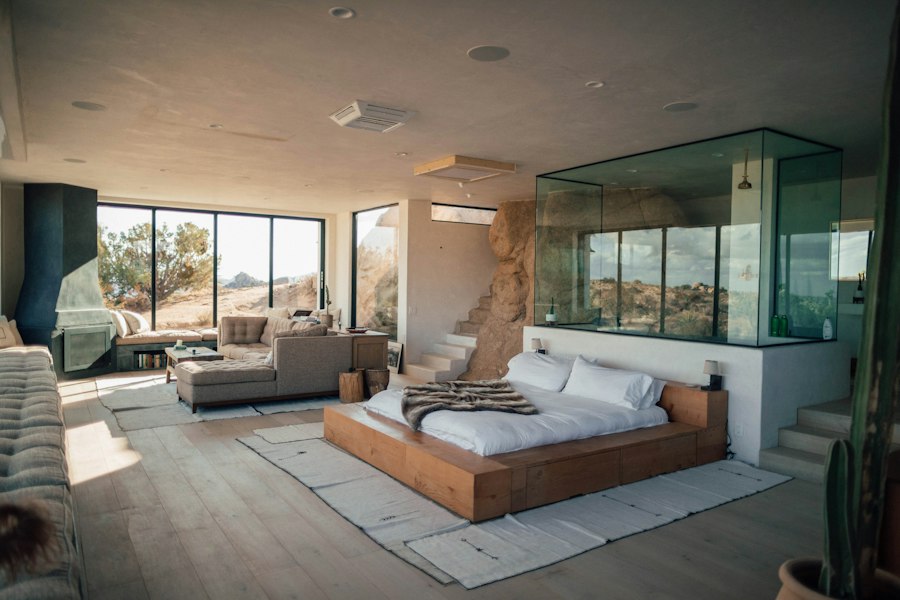
Warm, muted tones in a minimalist bedroom create an atmosphere of restful calm.
Warm vs. Cool Tones
Warm tones — terracotta, amber, blush, and cream — evoke comfort, intimacy, and energy. They are ideal for living rooms, dining areas, and spaces meant for gathering. Cool tones — soft blues, sage greens, lavender, and grey — promote calm, focus, and spaciousness, making them excellent choices for bedrooms and home offices.
The 60-30-10 Rule
One of the most reliable guidelines in interior design is the 60-30-10 color rule: 60% dominant color (walls, large furniture), 30% secondary color (rugs, curtains, accent chairs), and 10% accent color (cushions, vases, art). This ratio creates visual balance without monotony.
“Color does not add a pleasant quality to design — it reinforces it. The right palette transforms a room from a space you inhabit into one you genuinely feel.”
3. Furniture & Layout: Function Meets Form
Even the most beautiful furniture fails if the layout disrupts flow. Before placing anything, consider how people will move through and use the space. Good furniture arrangement creates clear pathways, logical conversation zones, and a sense of deliberate order — even in eclectic, layered rooms.
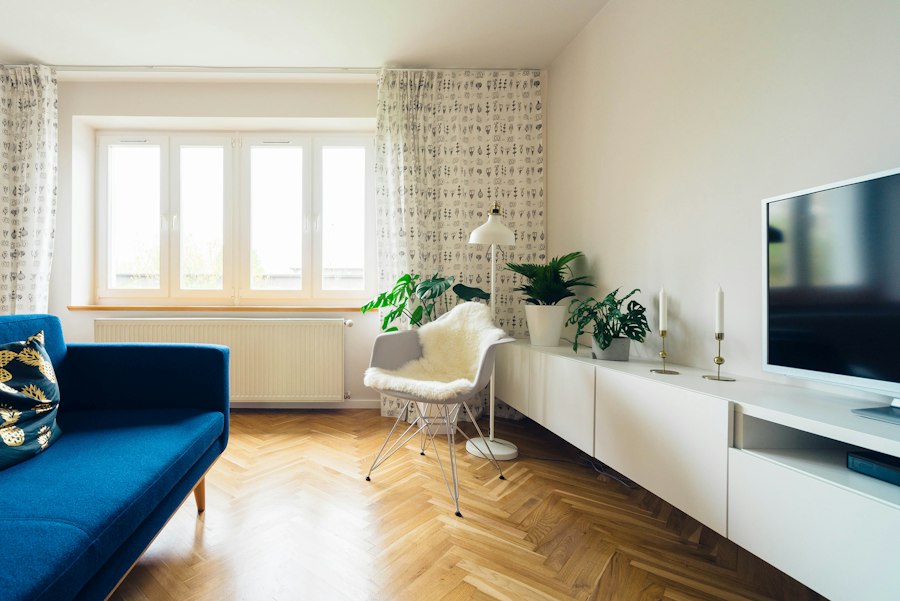
Floating shelves with curated objects and greenery bring personality to any corner.
Scale and Proportion
One of the most common decorating mistakes is choosing furniture that is too small for the room. A petite sofa floating in a large living room feels lost and awkward. When in doubt, size up — a generously scaled sofa anchors a room and instantly elevates its presence.
The Focal Point Principle
Every well-designed room has a focal point — a fireplace, a statement artwork, a large window with a view, or a dramatic piece of furniture. Arrange seating and accent pieces to acknowledge and enhance that focal point rather than compete with it.
- Leave at least 45–60 cm of walkway space between furniture pieces.
- Anchor seating groups with a rug that is large enough for at least the front legs of all pieces to rest on.
- Float furniture away from walls — it creates a more intimate, purposeful arrangement.
- In small rooms, use multi-functional pieces: storage ottomans, extendable dining tables, wall-mounted shelves.
4. Texture, Layers & the Details That Make a Home
A room decorated entirely in smooth, flat surfaces — no matter how beautiful the colors — will feel sterile and uninviting. Texture introduces warmth, visual complexity, and a sense of organic life that photographs cannot fully capture but that the body immediately registers upon entering a space.
Layered textures — linen, ceramic, raw wood — give a dining space tactile richness.
Mixing Materials
The most interesting rooms combine hard and soft, rough and smooth, matte and reflective. Try pairing a linen sofa with a jute rug, a marble coffee table, and velvet cushions. The interplay between materials is what makes a room feel curated rather than catalog-bought.
Greenery and Natural Elements
Houseplants are one of the most cost-effective and impactful additions to any room. Beyond their aesthetic value, plants introduce biophilic elements that reduce stress and improve air quality. A single large fiddle-leaf fig or a trailing pothos on a high shelf can completely shift the energy of a space.
Lighting: The Final Layer
Lighting is often treated as an afterthought, but it may be the most transformative element of all. Natural light should be maximized wherever possible — use sheer curtains rather than heavy drapes in rooms that need brightness. For artificial lighting, layer three types: ambient (overhead), task (reading lamps, under-cabinet lights), and accent (spotlights, candles, LED strips). Dimmer switches are a near-instant upgrade to any room.
✦ Quick Win
Replace cool white bulbs with warm white (2700–3000K) throughout your home. It costs under $20 and immediately makes every room feel more inviting and luxurious.
Your Home, Your Story
Thoughtful home décor is not about spending more — it is about choosing more intentionally. Start with a clear vision, respect the fundamentals of color and scale, and layer in texture, greenery, and light over time. The most beautiful homes are never finished in a weekend; they evolve slowly, reflecting the lives and tastes of the people who live in them. Begin with one room, one corner, or even one shelf — and let the rest follow naturally.