


The most alive homes are never truly finished. They breathe with the seasons — shifting in warmth, color, scent, and texture as the year turns. Learning to refresh your space seasonally is one of the most rewarding habits in home décor, and it costs far less than you might expect.
📖 Also in This Series
Part 1: The Art of Home Décor — Style, Color, Layout & Texture →Part 2: Room Makeover on a Budget — Big Impact, Small Spend →
1. Why Seasonal Décor Changes Everything
A home that looks the same in January as it does in July can feel stagnant — pleasant, but not dynamic. Seasonal refreshes inject energy and intention into a space without the need for a full redesign. The secret is building a core, permanent foundation — the style and furniture decisions covered in Part 1 of this series — and then layering changeable seasonal elements on top of that foundation.
Think of your permanent décor as the stage set, and your seasonal elements as the lighting, costumes, and props that change with each act. The stage doesn’t move — but the feeling of the room transforms completely.

Autumn warmth achieved through layered throws, amber candles, and earthy tones — all swappable come spring.
The Permanent vs. Seasonal Framework
Before planning any seasonal changes, identify what stays and what rotates. This clarity saves money and avoids buying items you’ll need to store or discard.
- Permanent (never change): Sofas, large rugs, curtains, wall paint, major artwork, bookshelves, dining tables.
- Semi-permanent (change 1–2×/year): Cushion covers, throw blankets, smaller rugs, decorative mirrors, bed linen color palette.
- Seasonal (change every 3 months): Vases & florals, candles & scent, tabletop accessories, shelf vignettes, entry table styling.
2. A Season-by-Season Décor Guide
Each season has a distinct visual and emotional language. Learning to speak it — even in small ways — keeps your home feeling intentional and alive throughout the year. The color principles from our first article apply here too: let each season’s palette guide your accent choices.
🌿 Spring
- Swap heavy throws for light linen blankets
- Bring in fresh tulips, ranunculus, or branches
- Introduce soft greens and dusty blush tones
- Open windows — let air and light reclaim the space
- Replace dark candles with citrus or floral scents
☀️ Summer
- Lean into natural textures: rattan, jute, wicker
- Use white, sand, and warm yellows as accent colors
- Style with tropical or large-leaf plants
- Keep surfaces cleaner and less layered
- Introduce sheer curtains to maximize light diffusion
🍂 Autumn
- Layer in terracotta, rust, amber, and deep brown
- Add chunky knit throws and velvet cushions
- Style shelves with pumpkins, dried botanicals, pinecones
- Introduce warm, spiced candle scents
- Swap out artwork for something darker and moodier
❄️ Winter
- Maximize soft lighting: candles, fairy lights, floor lamps
- Layer rugs over rugs for warmth underfoot
- Use deep teal, midnight blue, or charcoal as accents
- Style with evergreen branches, cedar, or eucalyptus
- Embrace the hygge principle — texture above all
“You don’t need a new home each season — you need a home that knows how to listen to the year. Small shifts in texture, scent, and color are all it takes.”
3. The Seasonal Refresh Toolkit
The most effortless seasonal decorators keep a curated “refresh kit” — a collection of swappable items organized by season, stored in labeled boxes. Once assembled, rotating through the year takes less than an afternoon and requires almost no new purchases year on year.

A seasonal shelf vignette — dried botanicals, candles, and textural objects — swapped in under 20 minutes.
Building Your Refresh Kit
Start small: even two labeled boxes (one for warm months, one for cool months) makes an enormous difference. Over two or three years, add a dedicated box for each season. The goal is to always have the right elements at hand — so seasonal styling feels effortless rather than like a project.
- Box 1 — Spring/Summer: Linen throws, pastel or white cushion covers, glass vases, dried pampas grass, citrus candles, rattan objects.
- Box 2 — Autumn: Velvet cushion covers, chunky knit throws, amber and rust candles, dried orange slices, wooden candleholders.
- Box 3 — Winter: Faux fur or sherpa throws, deep-toned cushion covers, fairy lights, pine cones, cedar or woody-scented candles.
✦ Storage Tip
Store seasonal décor in breathable cotton bags or lidded wicker baskets — never plastic — to prevent musty odors developing on textiles between rotations. Label clearly with both season and room. A 15-minute annual edit of each box keeps the collection fresh and purposeful.
4. The Art of the Seasonal Vignette
A vignette is a small, intentional arrangement of objects — on a shelf, a coffee table, a windowsill, or a console — that tells a visual story. It is the easiest way to signal a seasonal shift in your home without changing anything structural. Mastering the vignette is the final, satisfying skill that brings everything from Part 1 and the budget techniques from Part 2 together in a single, composed moment.
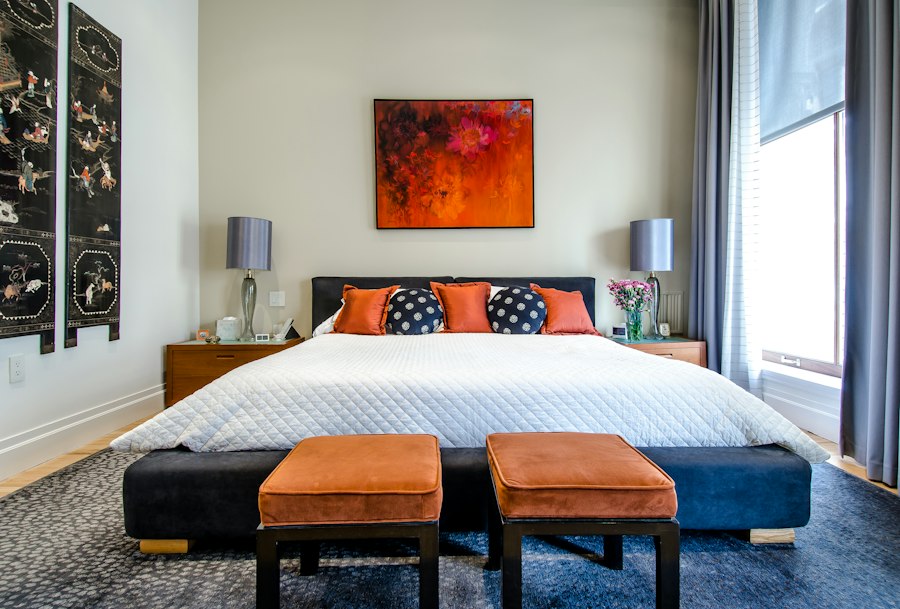
A light, airy spring vignette — white ceramics, fresh stems, and soft natural light — requires almost nothing to assemble.
The Rule of Three (and Five)
Odd numbers create more visually interesting arrangements than even ones. Group objects in threes or fives, varying their height, texture, and weight. A classic spring shelf vignette might include: a tall ceramic vase with fresh stems (height), a small stack of linen-covered books (mid-level), and a single smooth stone or candle (grounding low element). Three objects. Three textures. One cohesive moment.
Seasonal Vignette Swap: A Step-by-Step Routine
Step 1 — Clear the surface completely
Remove everything. Wipe down the shelf or table. Starting fresh prevents the common mistake of just adding to an existing arrangement rather than reimagining it.
Step 2 — Choose your anchor piece
Every vignette needs one dominant element that sets the scale and tone — a large vase, a framed print, a sculptural object. This comes first and everything else responds to it.
Step 3 — Add height variation
Place two or three supporting objects of different heights around the anchor. Use books, small boxes, or natural objects to create steps and levels — flat arrangements always look unfinished.
Step 4 — Introduce a natural element
A sprig of eucalyptus, a dried stem, a single succulent, a small piece of driftwood. Natural elements ground a vignette and prevent it from looking too “decorated.”
Step 5 — Add a light source
A candle, a small battery-powered taper, or a miniature lamp. Light draws the eye and gives the vignette warmth at any time of day.
Step 6 — Edit ruthlessly
Step back and remove one item. Almost every vignette is improved by removing something. The negative space is part of the composition, not a gap to be filled.
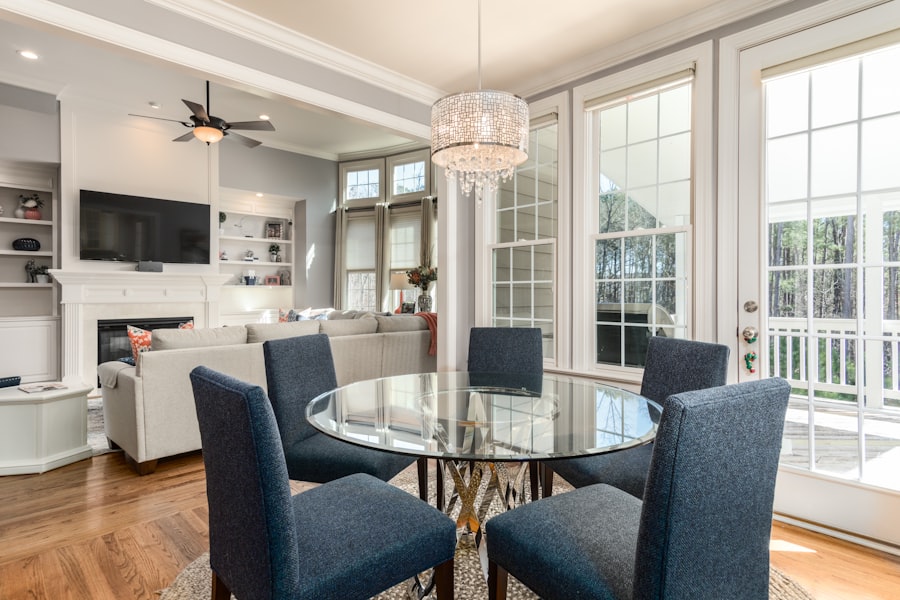
Winter hygge in practice — layered candles, warm amber light, and soft textiles create enveloping comfort.
A Home That Moves With You
Seasonal décor is not about trends or keeping up — it is about staying connected to your environment and to the natural rhythms of the year. A home that responds to the seasons feels alive in a way that no single dramatic renovation can achieve.
Together, all three articles in this series give you a complete toolkit: the style and color foundations of Part 1, the budget transformation strategies of Part 2, and now the seasonal refresh cycles that keep everything feeling current, intentional, and deeply personal. The rest is yours to write — one shelf vignette at a time.